
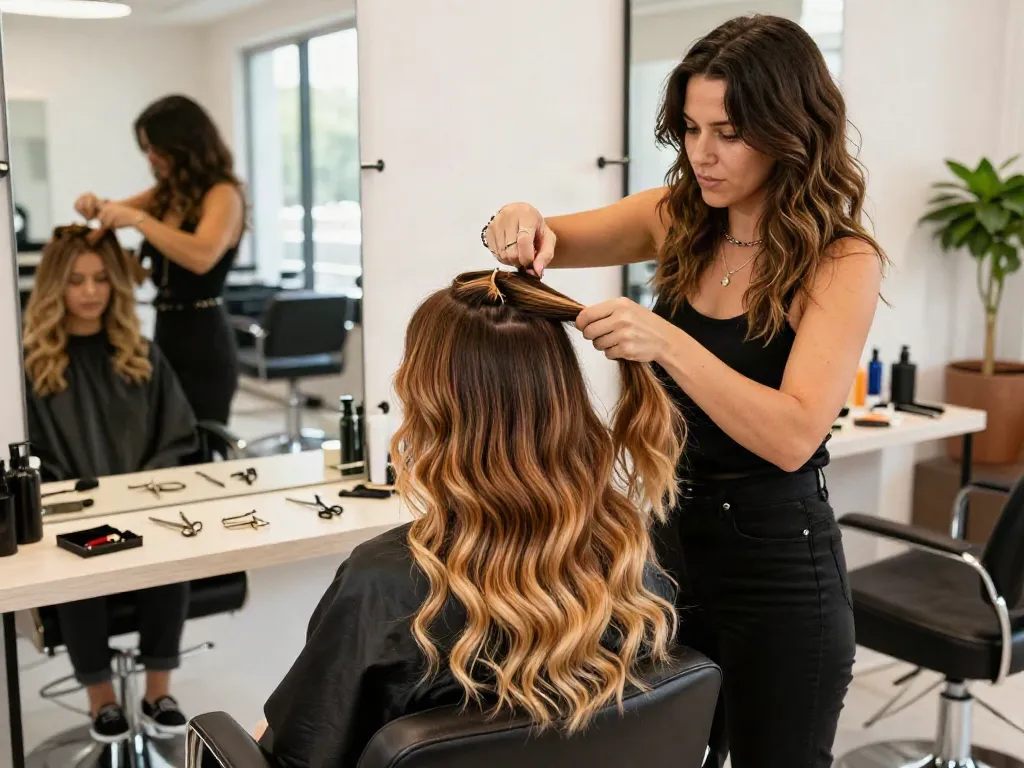
Understanding Salon Quality Sew In Wefts
Sew in wefts are an increasingly popular choice for those looking to enhance their hair's volume and length without resorting to permanent methods. These extensions, which are sewn into the natural hair, offer versatility and a natural appearance that many wearers appreciate. When exploring options, salon quality sew in weft extensions provide comprehensive insights into achieving stunning hairstyles that last. Whether you're preparing for a special event or simply want to switch up your everyday look, understanding the intricacies of sew in wefts can elevate your hair game to new heights.
What are Sew In Wefts?
Sew in wefts are strips of hair extensions that are attached to the natural hair using a sewing technique. Available in various textures, lengths, and colors, these extensions are typically made from Remy human hair, ensuring they blend seamlessly with the wearer’s natural hair. The application process involves a stylist sewing the weft into tiny braids created from the client’s own hair, which allows for a secure and natural look that can last for several weeks with proper care.
Benefits of Using Salon Quality Wefts
- Natural Look: Salon quality wefts are designed to mimic the texture and sheen of natural hair, making them virtually indistinguishable from your own.
- Durability: High-quality extensions can withstand daily styling and last longer than lower-grade options.
- Styling Versatility: Sew in wefts can be styled, dyed, and treated just like natural hair, giving you the freedom to express yourself.
- Comfort: When installed correctly by a professional, sew in wefts are comfortable and won’t cause irritation or undue stress on the scalp.
Choosing the Right Type of Sew In Weft
When selecting the right type of sew in weft for your needs, consider the following factors:
- Weft Type: There are machine wefts and hand-tied wefts; hand-tied wefts are lighter and lay flatter against the scalp, while machine wefts are more durable and can be easier to apply.
- Hair Quality: Opt for 100% Remy human hair for the best quality and longevity.
- Color Matching: Ensure the wefts match your natural hair color or can be dyed to achieve the desired shade.
Step-by-Step Guide to Application
Preparing Your Hair for Weft Installation
Preparation is key for ensuring that your sew in wefts look their best. Start by ensuring your hair is clean and dry; wash it a day prior to the installation. It's also important to detangle your hair thoroughly to prevent any knots during the sewing process. A professional stylist will usually create small braids or cornrows to secure your natural hair against the scalp. This will serve as the foundation for the wefts.
How to Properly Sew In Wefts
The installation of sew in wefts should ideally be performed by a skilled stylist. They will use a needle and thread to sew the wefts onto the braids created from your natural hair. A tight yet comfortable stitch is crucial to ensure that the wefts stay in place without causing discomfort. Depending on the thickness and volume desired, multiple rows may be installed.
Aftercare for Sew In Wefts
Once your sew in wefts are installed, proper aftercare is essential for maintaining their quality and appearance. Here are some tips for aftercare:
- Gentle Washing: Use sulfate-free shampoos and conditioners to preserve the quality of the hair extensions.
- Regular Detangling: Use a wide-toothed comb to carefully remove tangles without pulling on your natural hair.
- Avoid Heavy Products: Heavy styling products can weigh down both your natural hair and the extensions, leading to buildup and tangling.
Common Challenges with Sew In Wefts
Tackling Tangling and Shedding Issues
Tangling and shedding can occur with sew in wefts, particularly if they are not properly cared for. To minimize these issues, always detangle gently and store your hair extensions properly when not in use. Regular maintenance appointments with a stylist can also help keep tangling at bay.
Addressing Discomfort and Maintenance
While sew in wefts are generally comfortable, some wearers may experience discomfort if the wefts are sewn too tightly. Communicate with your stylist if you feel any pressure or pain during installation. Ensuring that the braids are not too tight can alleviate discomfort. Additionally, regular maintenance will help keep both your natural hair and the extensions healthy.
Myths About Sew In Wefts Debunked
There are several myths surrounding sew in wefts. One common misconception is that sew in wefts damage natural hair; however, when installed correctly and maintained properly, they can be a safe option for hair enhancement. Another myth is that sew in wefts are only suitable for thick hair; in fact, women with fine hair can also benefit from the added volume and length if proper techniques are used.
Choosing the Right Products for Your Weft Extensions
Recommended Care Products for Sew In Wefts
Using the right products will prolong the life of your extensions. Here are some recommended products:
- Sulfate-free shampoos and conditioners
- Leave-in conditioners and light oils for added moisture
- Heat protectants prior to styling to prevent damage
Styling Tools that Work Best with Wefts
When it comes to styling your sew in wefts, using the right tools is essential. Here are some recommended tools:
- Wide-tooth combs for detangling
- Heat styling tools with temperature control to prevent overheating
- Velcro rollers for creating volume without heat
Innovative Products to Enhance Weft Longevity
Look out for products that specifically target extension care. For instance, some brands offer specific weft care kits that include shampoos, conditioners, and treatment masks designed to keep your extensions healthy and vibrant.
Future Trends in Hair Extensions for 2026 and Beyond
Emerging Styles and Techniques in Weft Extensions
The market for hair extensions is continuously evolving, with new techniques and styles emerging each year. Upcoming trends include more customizable options like color blends and lengths that cater to diverse needs. Expect to see more brands offering eco-friendly options as sustainability becomes a focal point in the beauty industry.
Technology Impact on Hair Extension Quality
Advancements in technology are likely to enhance the quality of hair extensions further. Expect to see innovations that allow for more realistic textures and colors, making it easier to find the perfect match for your natural hair.
Predicted Market Trends for Hair Extensions
As consumer demand for high-quality hair extensions continues, the market is projected to grow significantly. Brands are likely to invest more in quality control and sustainable sourcing, providing customers with ethically produced products without compromising on quality.
What are the differences between machine weft and hand-tied wefts?
Machine wefts are created using a sewing machine and are known for their durability, making them suitable for various styling methods. On the other hand, hand-tied wefts are typically lighter and lay flatter against the scalp, offering a more natural appearance. Your choice should depend on your desired look and hair type.
How long do salon quality sew in wefts last?
With proper care, salon quality sew in wefts can last anywhere from 6 to 12 weeks. Regular maintenance appointments are crucial for extending the lifespan of your extensions.
Can I dye my sew in weft extensions?
Yes, you can dye your sew in weft extensions, especially if they are made from 100% human hair. Be sure to use professional dye products and consult a stylist for best results.
What maintenance is required for sew in weft extensions?
Maintenance includes regular washing with sulfate-free products, detangling with care, and scheduling periodic re-tightening sessions with a professional stylist to ensure the wefts remain secure and comfortable.
Are sew in wefts suitable for all hair types?
Sew in wefts can be suitable for various hair types, including straight, wavy, and curly hair. However, consulting with a professional stylist can help determine the best approach based on your specific hair type and condition.