Understanding the 18000 BTU Mini Split System
In the world of climate control, mini split systems have emerged as a versatile solution for both heating and cooling. Among these, the 18000 btu mini split stands out for its efficiency and adaptability, making it a popular choice for homeowners seeking comfort in various environments. This article explores how these systems work and offers insights into their capacity, applications, and advantages.
What is a mini split system?
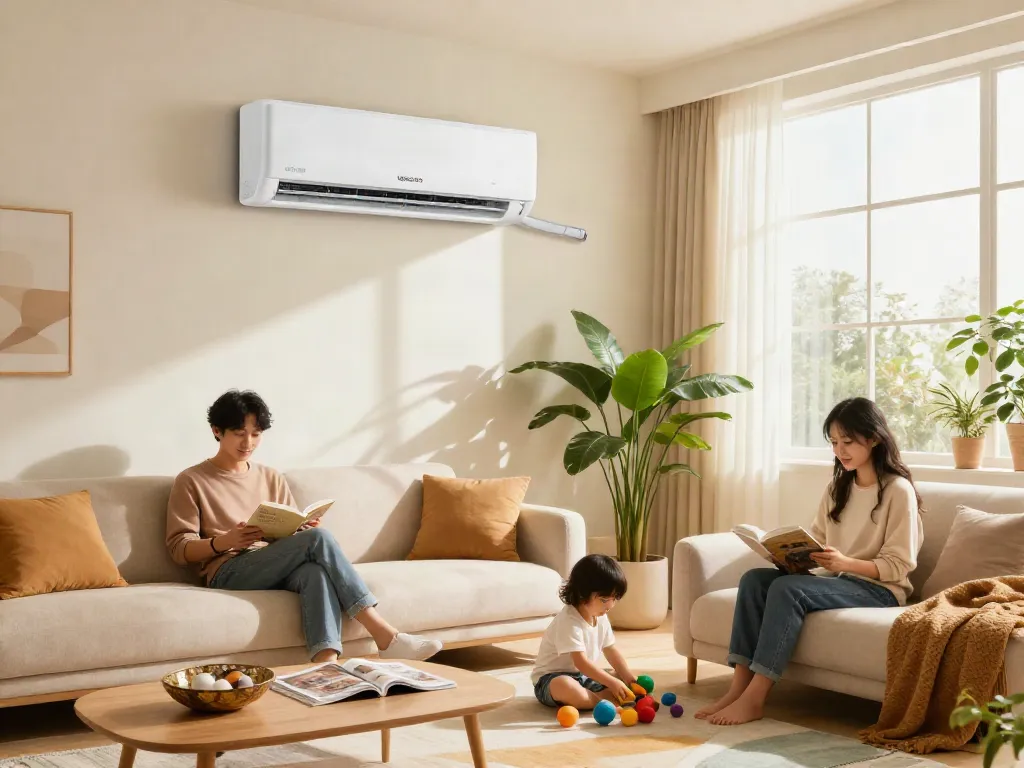
A mini split system is a type of air conditioning unit that allows for independent climate control in different spaces without the need for ductwork. It consists of two main components: an indoor air handling unit and an outdoor condenser unit. The two units are connected via refrigerant lines that facilitate the cooling or heating process. This ductless technology has gained traction due to its efficiency and ease of installation, particularly in homes where ductwork would be impractical.
How does the 18000 BTU capacity work?
The term "BTU" stands for British Thermal Unit, which measures the amount of energy needed to cool or heat one pound of water by one degree Fahrenheit. An 18000 BTU mini split system can effectively cool or heat spaces up to 1,250 square feet, depending on environmental factors such as insulation and outside temperature. This makes it ideal for larger rooms, open floor plans, or even multi-room setups.
Applications and ideal room sizes for 18000 BTU mini splits
With a capacity to handle various spaces, the 18000 BTU mini split is particularly effective in the following applications:
- Living rooms and family rooms
- Larger bedrooms
- Open-concept spaces
- Insulated garages and workshops
When planning for installation, it's crucial to consider the room size as well as the number of windows and the amount of sunlight exposure, as these factors will influence the overall effectiveness of the system.
Benefits of Installing a 18000 BTU Mini Split
The advantages of investing in an 18000 BTU mini split extend beyond mere temperature control. Here, we delve into the numerous benefits that make this system a valuable addition to any home.
Energy efficiency and cost savings
One of the most compelling reasons to choose a mini split system is its energy efficiency. These systems typically operate on inverter technology, which adjusts the compressor speed to maintain the desired temperature without excessive energy use. The result is a notable decrease in energy bills, especially when compared to traditional HVAC systems that cycle on and off.
Improved air quality and comfort
Mini split systems also contribute to enhanced air quality. They often feature advanced filtration systems that remove dust, allergens, and other pollutants, leading to cleaner indoor air. Additionally, the ability to control the climate in different parts of the home means that occupants can enjoy customized comfort settings, which is particularly beneficial for families with varying preferences.
Flexible installation options for any home
Due to their ductless design, mini splits can be installed in a wider range of environments than traditional systems. They can be mounted on walls, ceilings, or even placed in stand-alone configurations, making them adaptable to homes where space is at a premium or where renovations prohibit ductwork.
Common Challenges and Misconceptions
While the benefits are substantial, prospective buyers should also be aware of some common challenges and misconceptions associated with mini split systems.
Installation complexity: DIY vs. professional help
Installation can be a point of contention for many homeowners. While some believe they can handle installations themselves, mini splits often require specific technical knowledge for optimal performance. Hiring a professional ensures that the system is correctly installed and calibrated to maximize efficiency and longevity.
Understanding maintenance requirements
Maintenance is another area where misconceptions abound. Many believe mini splits require less maintenance than traditional HVAC systems; however, regular cleaning of filters and periodic servicing are crucial to maintaining performance and efficiency. Understanding these needs can prevent issues down the line.
Noise levels and how to minimize them
Noise is a common concern with mini splits, as the outdoor unit can produce sound during operation. However, many models are designed with noise reduction technology, making them significantly quieter than older models. Positioning the outdoor unit away from living spaces can also help mitigate noise issues.
Comparing the 18000 BTU Mini Split with Other Options
When considering an 18000 BTU mini split system, homeowners should evaluate its performance against other cooling and heating options. The following comparisons may aid in decision-making.
Ducted systems vs. ductless mini splits
Ducted systems are traditional HVAC solutions that require extensive ductwork to distribute air throughout a home. While they are effective, they can lead to energy losses through leaks and inefficient design. In contrast, ductless mini splits eliminate the need for ducts, leading to greater energy savings and more straightforward installations.
Cost analysis: upfront vs. long-term expenses
While the initial cost of a mini split system may be higher than that of a traditional system due to the technology involved, the long-term savings in energy bills can offset this expense. It's essential to perform a cost analysis considering both upfront and operational costs over the system’s lifetime.
Performance comparisons with other BTU ratings
Different BTU ratings cater to varying room sizes and requirements. For example, a 6000 BTU unit may suffice for a small bedroom, whereas larger spaces would benefit significantly from the 18000 BTU mini split. Understanding your specific needs will ensure you select the right unit.
Future Trends in Mini Split Technology
The mini split industry is continually evolving, with technological advancements aimed at improving efficiency and user experience. Here are some trends to watch.
Emerging features for enhanced energy efficiency
New models are being launched with features such as variable speed compressors, which adjust to the precise heating or cooling needs of the space, further optimizing energy use. Enhanced smart features that allow for remote control and scheduling are also becoming commonplace.
Smart home integration possibilities
As smart home technology advances, mini split systems are increasingly being designed to integrate with smart home systems. This allows for voice-activated controls, automated adjustments based on user schedules, and even energy usage monitoring via mobile applications.
Market predictions for 2026 and beyond
Industry experts predict that the demand for mini split systems will continue to grow. With increasing energy costs and a broader awareness of energy efficiency, more homeowners are likely to turn to mini splits as a viable solution for their heating and cooling needs.
What are the environmental implications of mini splits?
Mini split systems generally have a lower environmental impact than traditional HVAC systems. They typically use refrigerants with lower global warming potential and require less energy during operation, contributing to reduced carbon footprints.
Pros and cons of the latest models on the market?
While modern mini splits offer numerous advantages, such as improved efficiency and flexibility, potential downsides may include higher upfront costs and the necessity for regular maintenance. Evaluating the specific features and costs of new models can guide consumers to the best options available.